Kobe’s funeral takes place on same day that The Bachelor is the number one trending topic on Twitter!
YOU KNOW FAME IS FLEETING WHEN…
Leave a reply

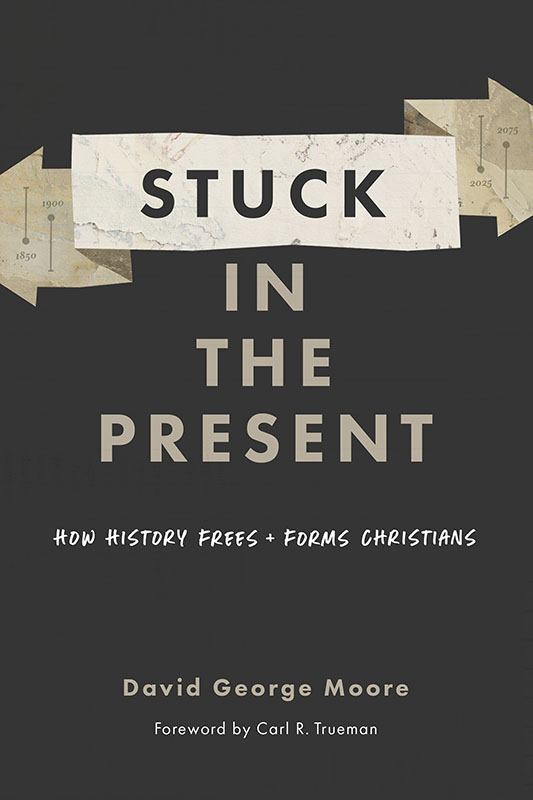
Stuck in the Present
Kobe’s funeral takes place on same day that The Bachelor is the number one trending topic on Twitter!

HT: To Roger Berry for the picture. I am writing a book with Professor Michael Haykin on Ralph Waldo Emerson. It seems the president likes Emerson. I don’t think it is quite accurate to say, “I love Emerson,” but he has been a very productive conversation partner.
And now to the matter of this post…
Some of you know about my critical piece on Trump which was cited favorably on the Gospel Coalition and elsewhere. I still stand by everything I wrote. Here it is:
IS VOTING FOR TRUMP A “MORALLY GOOD CHOICE”? RESPONDING TO WAYNE GRUDEM
I did not vote during the 2016 election when it comes to president. For everyone else, I cast a vote. And I still stand by that decision. And yes, I think it was my patriotic duty to not vote.
But things can change…
I regularly preach (really I teach it) that true education is many things, but one thing for sure: painful. The ancient Greeks had a name for it: mathein pathein. “To learn is to suffer.” If you are truly learning, you have to face deficient views/ideas you previously believed.
Do I think my previous thoughts on Trump deficient? Largely, I do not, especially because I was addressing some specific areas of concern and those have not changed.
And yet, I want to remain open to new dynamics.
I’m still not sure what I will do in the upcoming election, but this is the best piece that is causing me to consider Trump:
https://www.nationalreview.com/2020/02/2020-election-religious-conservatives-trump-voters/
Wonderful, prophetic word:
I read a lot of history. Usually, I have to read long books (400 pages plus) to get as much insight as this much shorter one by Gregg. In only 166 pages the author gives intellectual insights on every page. It is a feast for both heart and mind.
The writing is clear and compelling. Gregg knows the flow of Western ideas very well. He communicates with ease some of the main currents of thought.
It is rare that the number of my markings (or marginalia) exceeds the number of the pages of a book I have read, but this is one of those rare times.
I highly recommend this balanced and beautifully conceived book!
Even easier you can order this magnificent work online!
I have read and reread Rutledge’s big book on the crucifixion. I made nearly 600 notes in the margin during the first read and another 300 plus during the second read. I interviewed Fleming Rutledge in 2018. It is a brilliant and beautiful book, but Advent is now my favorite.
Advent is more accessible than The Crucifixion of Jesus because it is a collection of sermons. Don’t let that fool you. These are meaty sermons with Rutledge’s trademark goodies in the footnotes.
There are some places I may disagree with the author, but I enthusiastically recommend Advent!
I am writing my own book that will feature Emerson and another well-known American thinker, so I am in the midst of much research.
This book crossed my radar and I am glad it did.
There are brilliant insights throughout as attested by my marginalia.
If you are interested in Emerson, and especially how he interacted with his “disciples,” this is a great read.